Дата выхода JR EAST Train Simulator. Yokohama Line (Ōfuna to Hachiōji)Series E233-6000: 27 октября 2025 г.
С даты выхода прошло 353 дня.
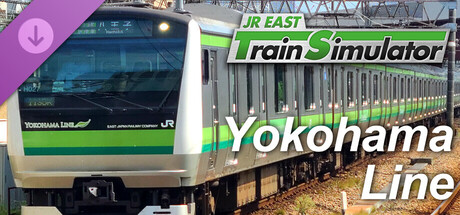
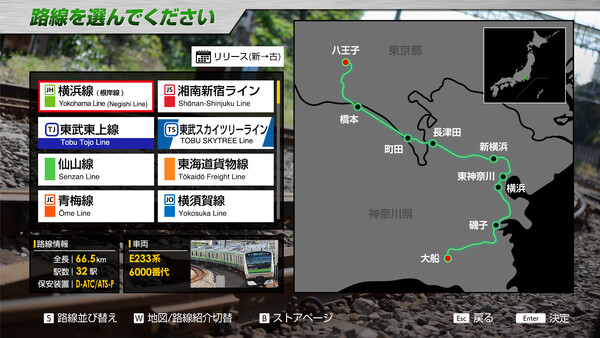
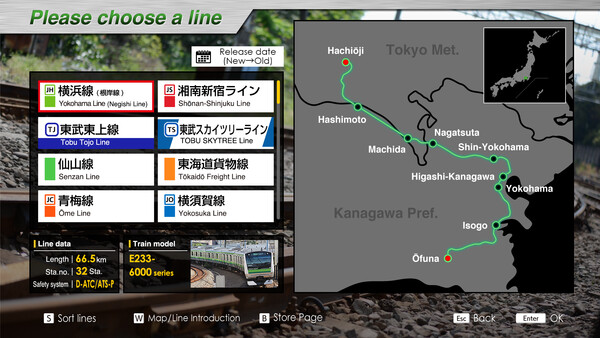
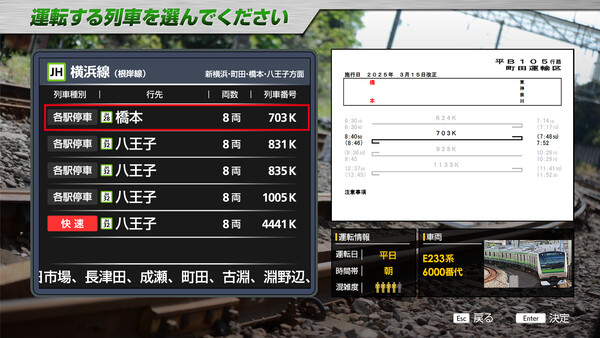
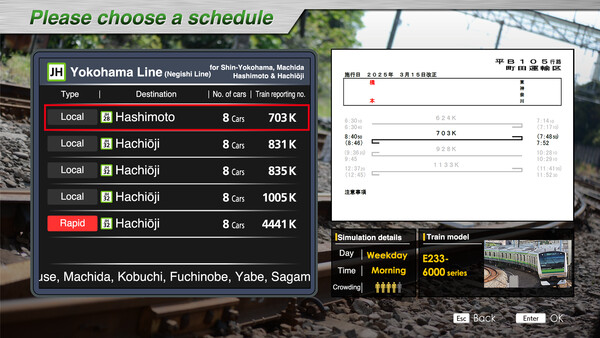
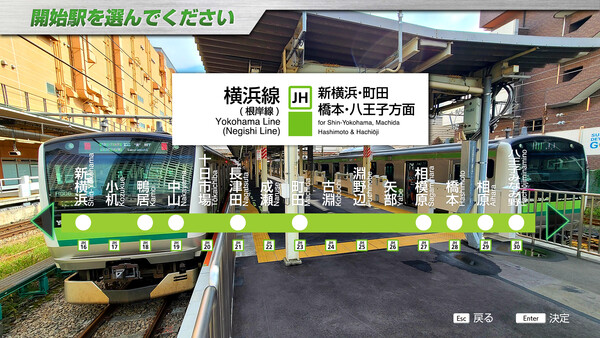
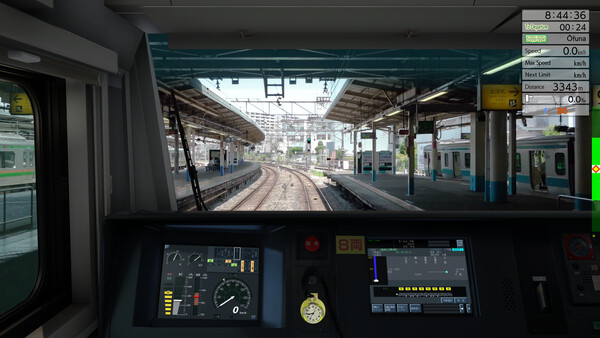
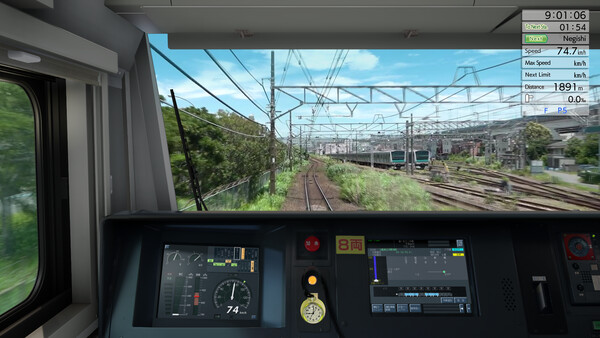
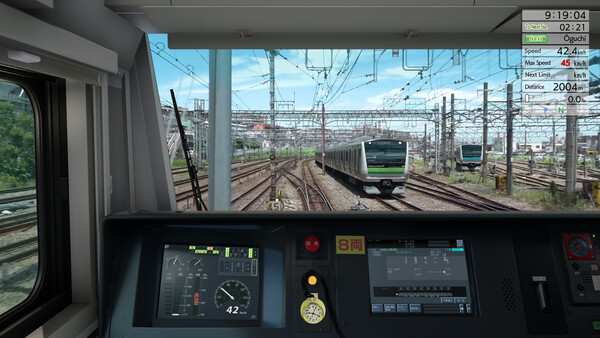
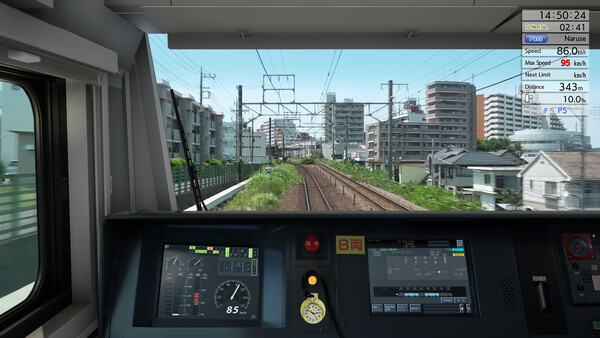
■Yokohama Line. The Yokohama Line is a 42.6 km railway connecting Higashi-Kanagawa Station in Yokohama and Hachiōji Station in Tōkyō.It began operation on September 23, 1908, by the Yokohama Railway.Company, originally for transporting raw silk.In addition to trains between Higashi-Kanagawa and Hachiōji, some services run directly to Sakuragichō and Ōfuna via the Keihin-Tōhoku/Negishi Line. Rapid services operate between Higashi-Kanagawa and Sagamihara from 9:30 AM to 4:00 PM to improve convenience.All trains use 8-car E233 series 6000-series formations, featuring the line's distinctive yellow-green and green stripes and“YOKOHAMA LINE”logo. They are equipped with ATS-P (Yokohama Line) and digital ATC (Negishi Line), requiring drivers to handle different operating procedures. Frequent gradients and speed changes demand skilled notch control.Trains from Ōfuna travel via Ishikawachō (near Chinatown) and Yokohama Station (Kanagawa's largest), heading to Higashi-Kanagawa. From there, they pass Kikuna (Tōkyū Tōyoko Line), Shin-Yokohama (Tōkaidō Shinkansen, Tōkyū Shin-yokohama Line, Sotetsu Shin-yokohama Line, Yokohama Municipal Subway BLUE LINE), and residential areas in Midori Ward. After connecting with the Yokohama Municipal Subway GREEN LINE at Nakayama Station and the Tokyu Den-en-toshi Line/Kodomonokuni Line at Nagatsuta Station, Naruse Station enters Tokyo. It connects with Odakyu Odawara Line at Machida, Keiō Sagamihara Line and Sagami Line at Hashimoto, and Chūō and Hachikō Lines at Hachiōji.Enjoy the scenery as the train travels from Ōfuna to Hachiōji, weaving through residential and commercial districts along the way.Highlight. □Ōfuna Station ~ Hongōdai StationAfter departing Ōfuna Station, the line runs parallel to the Tōkaido Line, Yokosuka Line, and Tōkaidō Freight Line for a while. They diverge partway, but the Tōkaidō Line and Yokosuka Line rejoin at Yokohama Station.□Hongōdai Station ~ Kōnandai StationThe line passes through multiple tunnels. Since the Negishi Line runs through hilly terrain, numerous tunnels exist from here to Ishikawachō Station.□Yōkōdai Station ~ Shin-Sugita StationJust before Shin-Sugita Station, the Seaside Line merges from the right.Trains in operation can be seen between buildings.□Isogo Station ~ Negishi StationAfter departing Isogo Station, multiple E233 series trains are lined up on the Isogo Station siding on the right.At night, factory nightscapes become visible along the coast.□Negishi StationA refinery is nearby, and numerous tank cars carrying gasoline, heavy oil, etc., are lined up within the Negishi Station yard.Riding the Negishi Line, you might be lucky enough to pass a freight train.□Kannai Station ~ Sakuragichō StationJust before Sakuragichō Station, you can see the buildings of Minato Mirai.This is also a section with beautiful night views.□Sakuragichō Station ~ Yokohama StationAfter departing Sakuragichō Station, the Takashima Line (freight line) branches off towards Tsurumi.Also, the concrete on the left, extending up to just before Yokohama Station, is the abandoned track bed of the Tōkyu Tōyoko Line.You can also see the remains of the old Takashimachō Station platform.□Yokohama Station ~ Higashi-Kanagawa StationThe line runs parallel to many other lines: the Tōkaidō Line, Yokosuka Line, and Keikyū Line.□Higashi-Kanagawa Station ~ Ōguchi StationThe line separates from the Keihin-Tōhoku Line and enters the Yokohama Line.When crossing over the Tōkaidō Line and Yokosuka Line, you can see Keikyū Line trains entering Koyasu Station.□Kikuna Station ~ Shin-Yokohama StationCrosses the Tōkaidō Shinkansen near the middle of Shin-Yokohama Station's platform.□Kozukue StationKozukue Station has a middle track, with trains originating from this station scheduled.□Tōkaichiba Station ~ Nagatsuta StationThe Tōkyu Den-en-toshi Line merges from the right just before Nagatsuta Station.□Nagatsuta Station ~ Naruse StationAfter crossing the Tōkyu Den-en-toshi Line, you can see a group of Den-en-toshi Line trains lined up in the depot on the right.□Machida StationThis is a major station with two platforms and four tracks. In addition to connections between rapid and local trains, trains originating and terminating at this station are scheduled.□Machida Station ~ Kobuchi StationAfter departing Machida Station, the line crosses the Odakyū Electric Railway Odawara Line.□Sagamihara Station ~ Hashimoto StationOn the right, E233 series trains are lined up at the Hashimoto Station siding. On the left, the tracks of the Sagami Line merge.It also crosses the Keio Sagamihara Line just before Hashimoto Station.This section is also known for its beautiful cherry blossom trees in spring.□Hashimoto StationA retired 205-500 Series train is parked on the Sagami Line platform.□Aihara Station ~ Hachiōjiminamino StationPasses through the Shin-Aihara Tunnel, the longest tunnel on the Yokohama Line.Curve restrictions begin inside the tunnel, and combined with the downhill gradient, special attention to speed control is required.□Katakura Station ~ Hachiōji StationCrosses the Keiō Takao Line heading toward Takao.Immediately afterward, runs parallel to the Keiō Line heading toward Keiō Hachiōji on the right.□Hachiōji StationMerges with the Chūō Line and Hachikō Line.Platform 6, where trains arrive, is a dead-end platform.Route Information. Section: Yokohama Line・Negishi Line Outbound(Northbound) Ōfuna ⇒ HachiōjiTotal length: 66.5km Number of Stations: 32Security equipment: D-ATC,ATS-PTrain schedules that can be operated. Train Number:703KType/Destination:Local train to Hashimoto(weekday)Section where you can drive:Higashi-Kanagawa(07:52)→Hashimoto(08:40)Type of train: Series E233-6000 8 carsResponsible for real voice train announcements: Machida unification centerTrain Number:831KType/Destination:Local train to Hachiōji(weekday)Section where you can drive:Isogo(08:27)→Hachiōji(09:43)Type of train: Series E233-6000 8 carsResponsible for real voice train announcements: Machida unification centerTrain Number:835KType/Destination:Local train to Hachiōji(weekday)Section where you can drive:Ōfuna(08:45)→Hachiōji(10:16)Type of train: Series E233-6000 8 carsResponsible for real voice train announcements: Machida unification center※This is the timetable as of November 2016.Train Number:1005KType/Destination:Local train to Hachiōji(weekday)Section where you can drive:Higashi-Kanagawa(10:20)→Hachiōji(11:22)Type of train: Series E233-6000 8 carsResponsible for real voice train announcements: Machida unification centerTrain Number:4441KType/Destination:Rapid train to Hachiōji(weekday)Section where you can drive:Sakuragichō(14:21)→Hachiōji(15:15)Type of train: Series E233-6000 8 carsResponsible for real voice train announcements: Machida unification center※Due to filming constraints, departure/arrival tracks may differ from actual tracks on some timetables. Далее


В тот же день (27 октября 2025) вышли следующие игры:
- Mech Havoc
- Victory Saber 2D Demo
- Master of Command. Supporter Edition
- Blood & Money Demo
- Parasomnia. No REM Demo
- Vlod, Fronk and Blod Demo
- Void Raider Demo
- Serious Sam II Digital Artbook
- Bouncemasters. Supporter Bat
- Manic Pixie Dreamgirls Demo
- Crow Style Demo
- Smashing My Phone. Broken-Screen Diaries Demo
- Sex Game. BDSM. Episode 1
- HYPERBEAT Soundtrack
- Railroad to Hell 3
- Daimon Blades. Boneweaver cosmetic set
- Forgive Me Father 2 Supporter Pack
- Haley. Online Soundtrack
- Trick or Truth Demo
- Beneath. Artbook
- Beneath
- Toziuha Night. Order of the Alchemists
- Aris Arcanum
- Beneath. EP
- Mythrealm
- Toziuha Night. Order of the Alchemists Soundtrack
- Oman Physics 11
- Beneath
- Oman Physics 10
- Simon the Sorcerer Origins
- Oman Physics 9
- Oman Chemistry 12
- Oman Chemistry 11
- Berghotel Heist
- Trainz 2019 DLC. Pro Train. Eureka Valley
- Trainz 2022 DLC. Pro Train. Eureka Valley
- Trainz Plus DLC. Pro Train. Eureka Valley
- Fights in Tight Spaces. DLC3
- Everlusting Life. Mascot Luna
- Haley. Online. Private Profile Soundtrack
- Sex Game. BDSM. Episode 1
- Bouncemasters. Supporter Pack
- Master of Command. Supporter Edition
- Zombie God
- The Living Shadows
- Hoomanz!
- WOLFMAN
- Talk to Me Human
- Canvas. The Board Game
- Canvas
- The Headless Hunter
- Your Adult Store. HALLOWEEN DLC
- Trainz 2019 DLC. Pro Train. Eureka Valley
- Trainz 2022 DLC. Pro Train. Eureka Valley
- Trainz Plus DLC. Pro Train. Eureka Valley
- Fights in Tight Spaces. FRIGHTS in Tight Spaces
- 箱庭青春 Demo
- Everlusting Life. Mascot Luna
- HERO IS DEAD Demo
- ひゃくタイピング Demo
- 钓鱼牌 Demo
- Before Exit. Gas Station Soundtrack
- Max's Adventures. Christmas Edition Demo
- Shutter Evidence Demo
- Haley. Online. Private Profile Soundtrack
